Print Techniques
Letterpress Printing
Letterpress uses raised, inked surfaces pressed into paper. We work with vintage metal and wood type, hand-setting each composition letter by letter.
The process begins with type selection from cases organized by font, size, and style. Each character is placed in a composing stick, spaced with lead, and locked into a chase.
Ink is applied to the type surface, paper is positioned, and the press applies pressure. The result is a physical impression—ink sits slightly below the paper surface, creating tactile depth.
Linocut
Linocut involves carving a design into a linoleum block. The uncarved areas receive ink; carved areas remain white or unprinted.
The carving process requires understanding of negative space. Each cut removes material that will not print. Tools vary from fine gouges for detail work to wider blades for clearing large areas.
Once carved, the block is inked with a brayer and printed by hand or press. The physical nature of the carving process is visible in the final print—slight variations, tool marks, and the character of hand-cut lines.
Color Printing
Multiple colors require separate blocks or plates. Each color is printed in sequence, with careful registration to align layers.
Registration marks ensure each color layer aligns precisely. The paper must remain consistent in position throughout multiple printing passes.
Color mixing happens through layering transparent inks or by blending inks before application. The order of printing affects the final color relationships.
Experimental Methods
Beyond traditional techniques, we explore combinations and variations. Overprinting different blocks, mixing techniques, or using unconventional materials.
Experimental work allows the process itself to inform the outcome. Unexpected results become part of the composition, embracing the material nature of printmaking.
These methods maintain the handcrafted quality while pushing the boundaries of what printed paper can be.
Paper Preparation
Paper selection affects how ink sits, how impressions form, and how the final piece feels. We test papers for their response to pressure and ink.
Some papers require slight dampening for letterpress work. Others perform best when dry. Texture, weight, and fiber content all influence the printing process.
Each paper type requires adjustment of ink consistency, pressure settings, and printing approach.
Ink & Finishing
Ink selection determines color, opacity, and how the ink interacts with paper. We use oil-based inks that cure through oxidation.
Ink consistency is adjusted based on the printing method and paper type. Too thick, and it won't transfer cleanly. Too thin, and detail is lost.
After printing, pieces are left to dry fully. Some works receive additional finishing, such as deckled edges or hand-binding for book forms.
Visual Process
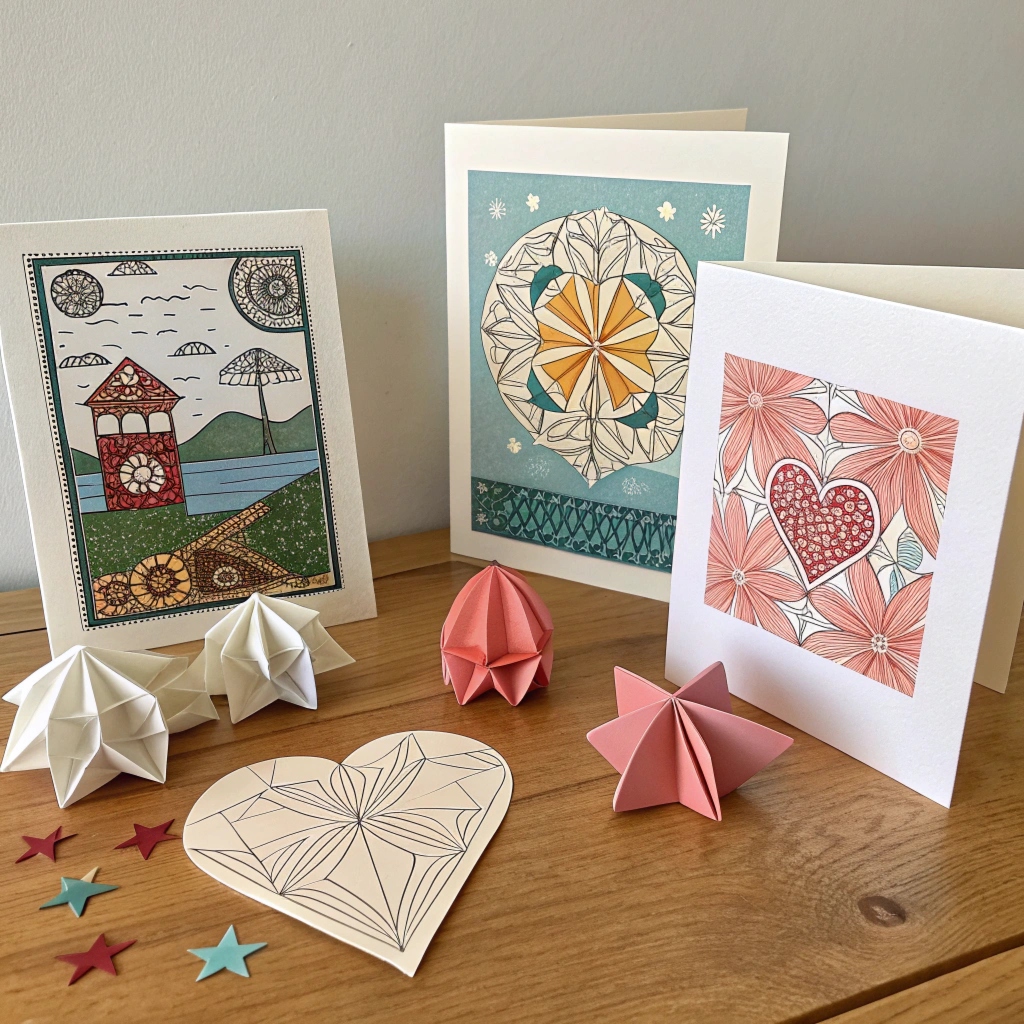
Setup
Preparing the press, selecting type, and positioning paper requires precision and attention to detail.
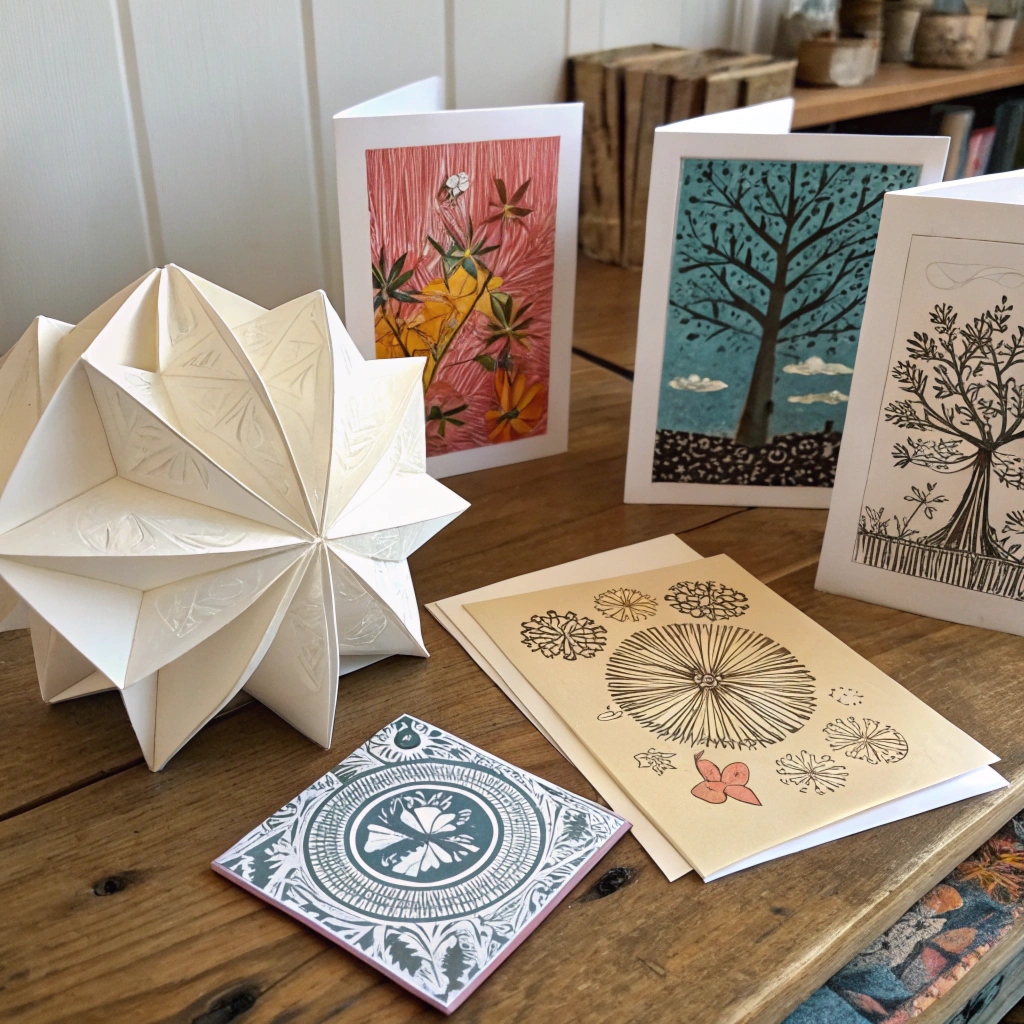
Inking
Even ink distribution is crucial. The brayer or roller applies ink uniformly to the printing surface.
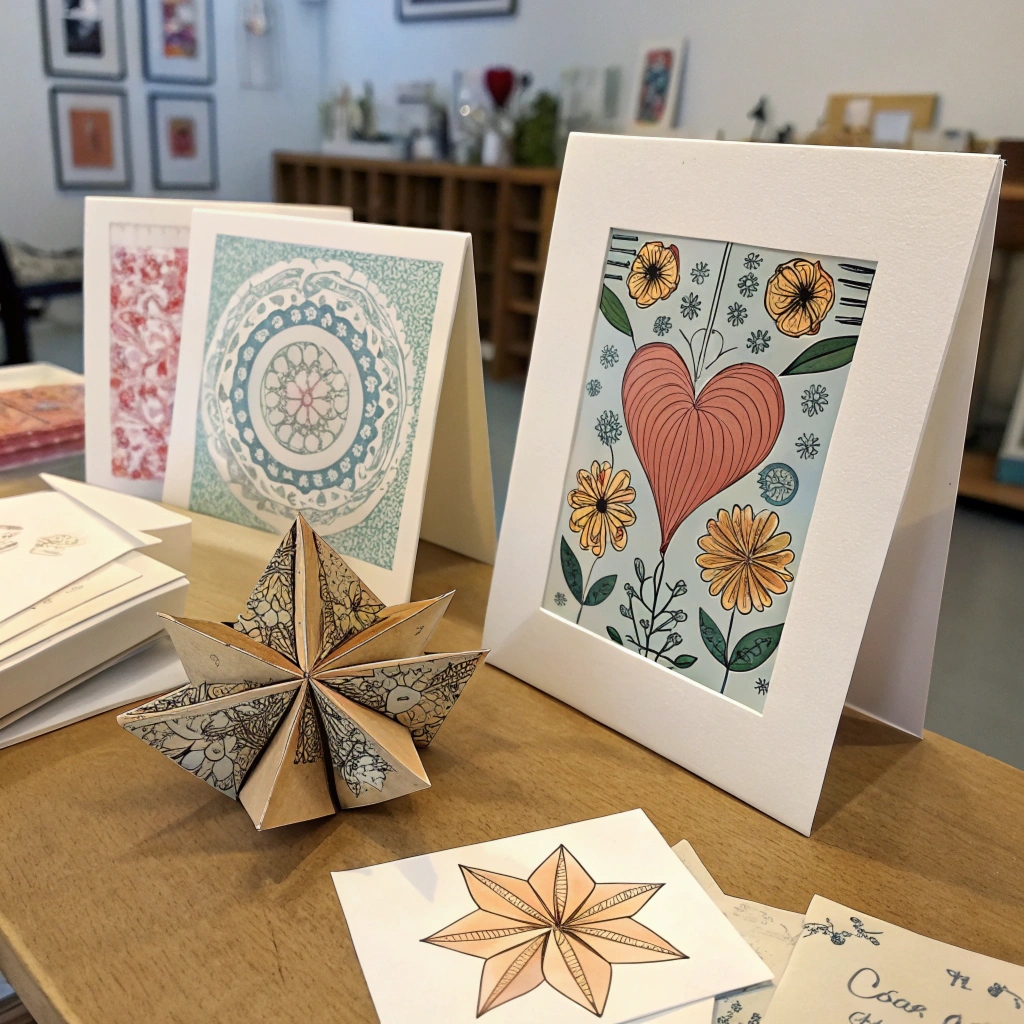
Impression
The moment of contact between inked surface and paper creates the print. Pressure must be carefully controlled.
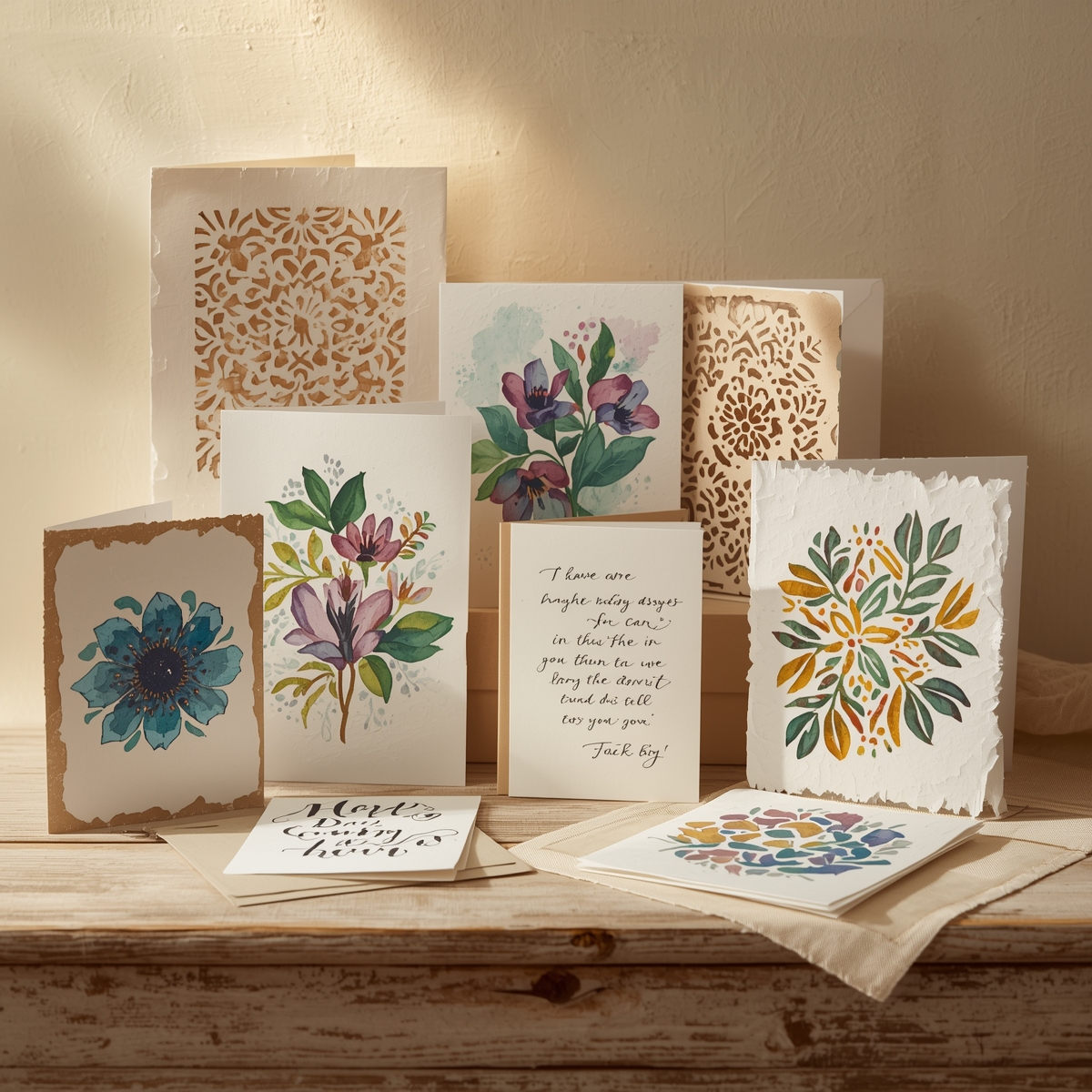
Material & Method
The relationship between printing technique and material is fundamental. Different papers respond differently to pressure, ink, and impression depth.
Understanding these interactions allows us to choose the right combination for each project, ensuring the best possible result.