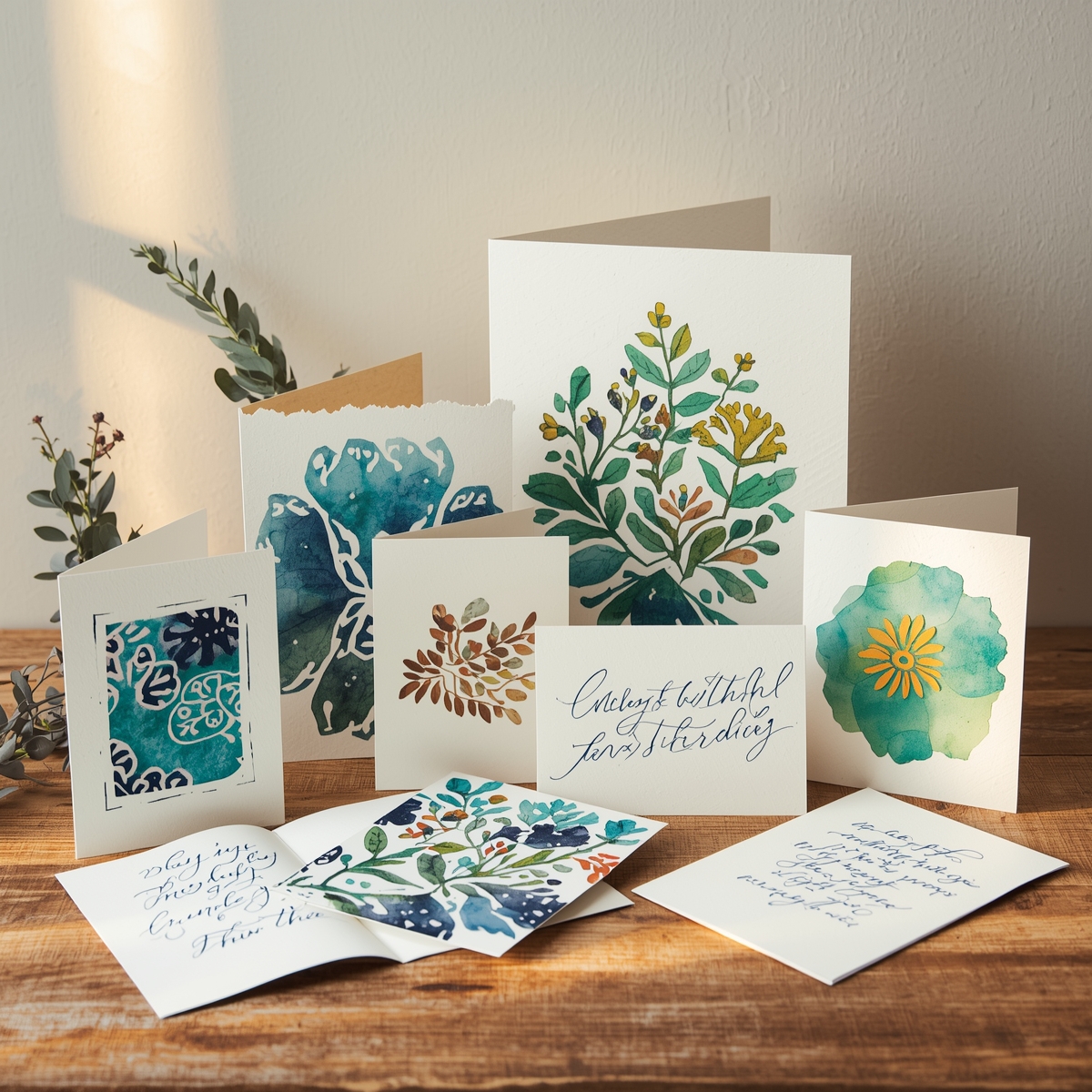
Studio Process
Concept & Design
The process begins with observation and sketching. Ideas develop through drawing, studying forms, and considering how shapes will translate to print. For typographic work, letterforms are explored in various arrangements and relationships.
Design decisions consider the limitations and possibilities of the chosen printing method. Letterpress requires understanding of spacing and type availability. Linocut demands consideration of how carving translates to printed marks.
Material Selection
Paper choice happens early in the process. The paper affects color, texture, and how impressions form. Some designs require smooth surfaces; others benefit from texture. Weight determines durability and feel.
Ink colors are selected to work with the paper's base tone. Warm papers with cool inks create contrast. Matching tones create subtle, unified compositions.
Block Carving or Type Setting
For linocut work, the design transfers to the block. Carving proceeds from large areas to fine details. The negative space is removed, leaving raised areas that will receive ink.
For letterpress, type is selected from cases and composed in a stick. Spacing materials—leads and slugs—create the desired rhythm. The composition locks into a chase, ready for printing.
Proofing
Test prints reveal how the design translates to paper. Adjustments may be needed: more carving, different spacing, ink consistency changes. Proofing continues until the result matches the vision.
Each proof is examined for clarity, registration, ink coverage, and overall balance. The physical print differs from sketches—proofing bridges that gap.
Printing
The final printing run requires consistency. Paper must be positioned accurately. Ink must be applied evenly. Pressure must remain constant. Each print receives individual attention.
Variations occur naturally in handcrafted processes. Slight differences between prints are expected and accepted as part of the handcrafted nature of the work.
Drying & Finishing
Printed pieces dry slowly. Oil-based inks cure through oxidation, requiring time. Pieces are laid flat or hung, allowing air circulation without touching surfaces.
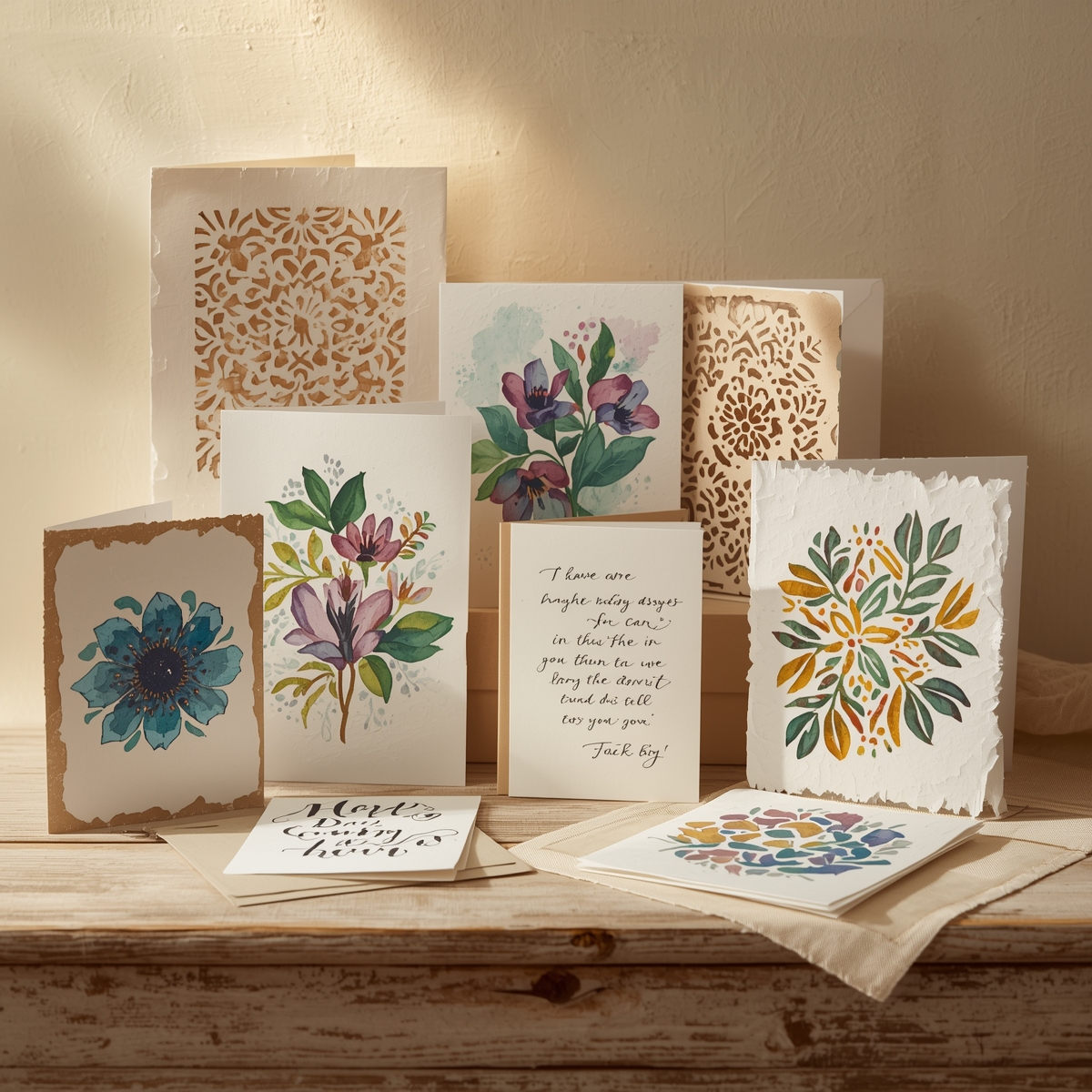
Once dry, finishing may include trimming, deckling edges, or other handwork. The final pieces are examined, then stored or prepared for use.
Process Timeline
Concept to Design
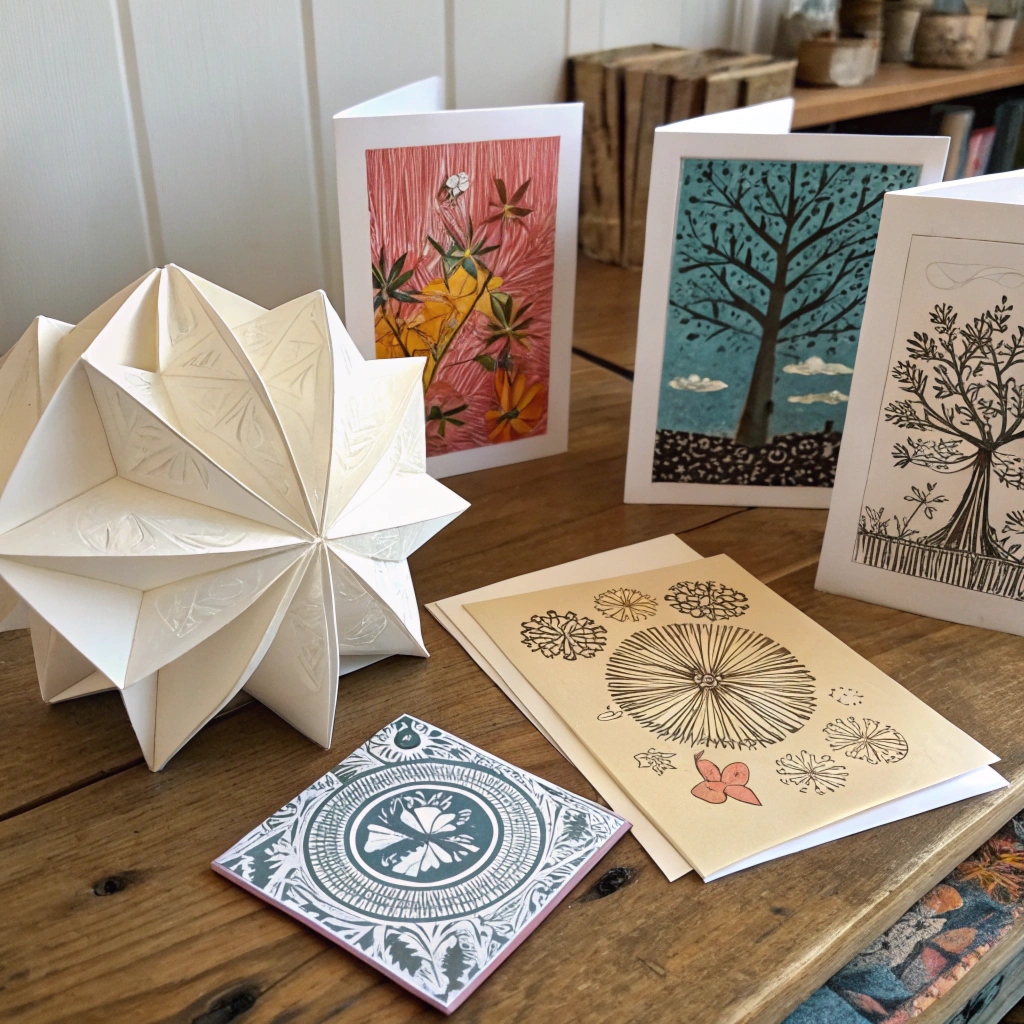
The journey begins with observation and sketching. Ideas develop through drawing and considering how forms will translate to print.
Preparation
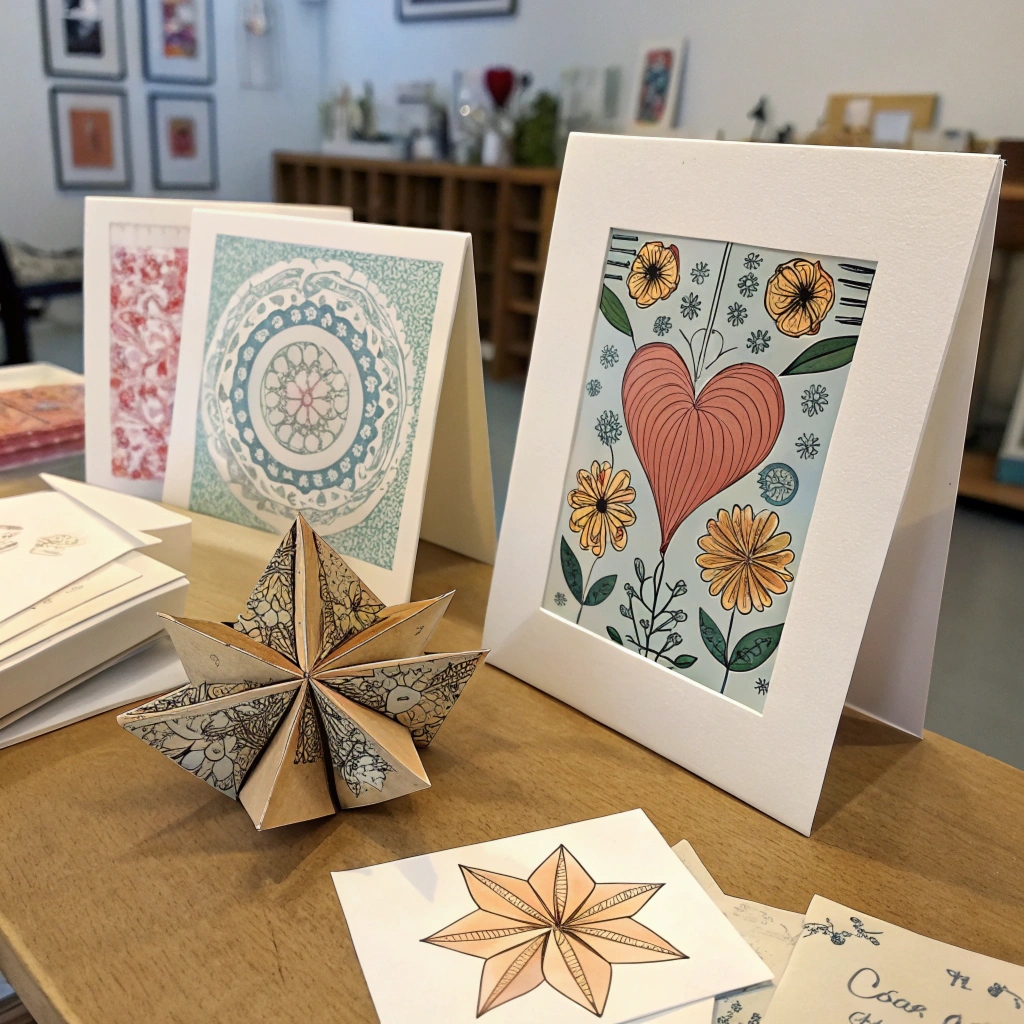
Materials are selected, blocks are carved or type is set, and the workspace is organized for efficient workflow.
Printing
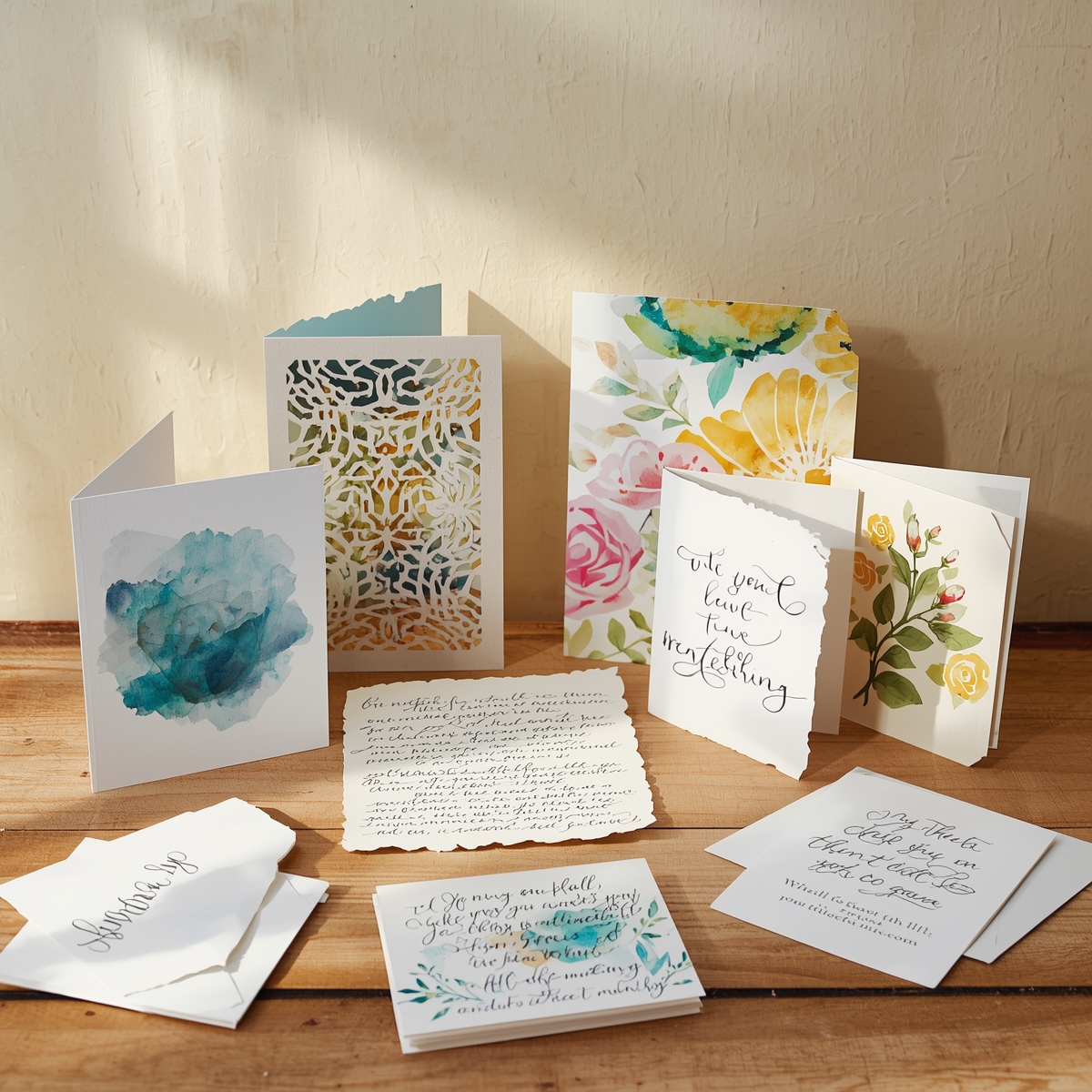
Each print receives individual attention. Consistency in positioning, inking, and pressure ensures quality results.
Finishing
After drying, pieces are trimmed, examined, and prepared. The final step is quality inspection before storage or use.
Handcrafted Philosophy
Every step in our process is done by hand. This approach allows for attention to detail that automated processes cannot match.
The time invested in each piece is visible in the final result. Variations between prints are not flaws but evidence of the handcrafted nature of the work.